The Evolution of Image to Image Technology
The journey of image to image technology represents a remarkable evolution that has significantly transformed the landscape of digital artistry and image processing. From its humble beginnings rooted in basic algorithms, this technology has blossomed into a sophisticated field with diverse applications in various creative industries. As we delve into the evolution of this technology, we will examine its historical context, key advancements, and current trends shaping its future in 2026. When exploring options, image to image techniques hold immense potential for artists and technologists alike.
Historical Context and Its Impact on Digital Art
Historically, the origins of image processing can be traced back to the early days of computing, where pixel manipulation was a cumbersome and manual effort. Artists relied on basic image editing software that offered limited functionality, making creative expression a challenging endeavor. The introduction of digital photography in the late 20th century paved the way for more complex image processing techniques, allowing artists to experiment with and enhance their works digitally. As tools evolved, concepts such as pixel sorting and filtering emerged, broadening the horizons of what was possible in digital art.
Key Advancements in Image Processing Techniques
In the 21st century, significant advancements such as machine learning and artificial intelligence have revolutionized image to image technology. These innovations allow for the intelligent analysis of images, enabling systems to learn from vast datasets and generate transformations that were previously unimaginable. Techniques like neural networks and generative adversarial networks (GANs) have empowered artists to create intricate designs and realistic transformations, merging the lines between creativity and computation.
Current Trends Shaping the Industry in 2026
As we look forward to 2026, several trends are poised to shape the future of image to image technology. The rise of augmented reality (AR) and virtual reality (VR) applications in art and design underscores the necessity for more immersive and interactive image processing techniques. Additionally, ethical considerations regarding copyright and the use of AI in art are becoming increasingly prominent, prompting discussions around the ownership of digital creations and the responsibilities of creators in the digital age.
Understanding Image to Image Applications
Image to image technology is not only a tool for artists but also a versatile application across multiple creative sectors. This section will explore how image to image enhances artistic expression, its applications in various creative industries, and notable case studies illustrating successful implementations.
How Image to Image Enhances Artistic Expression
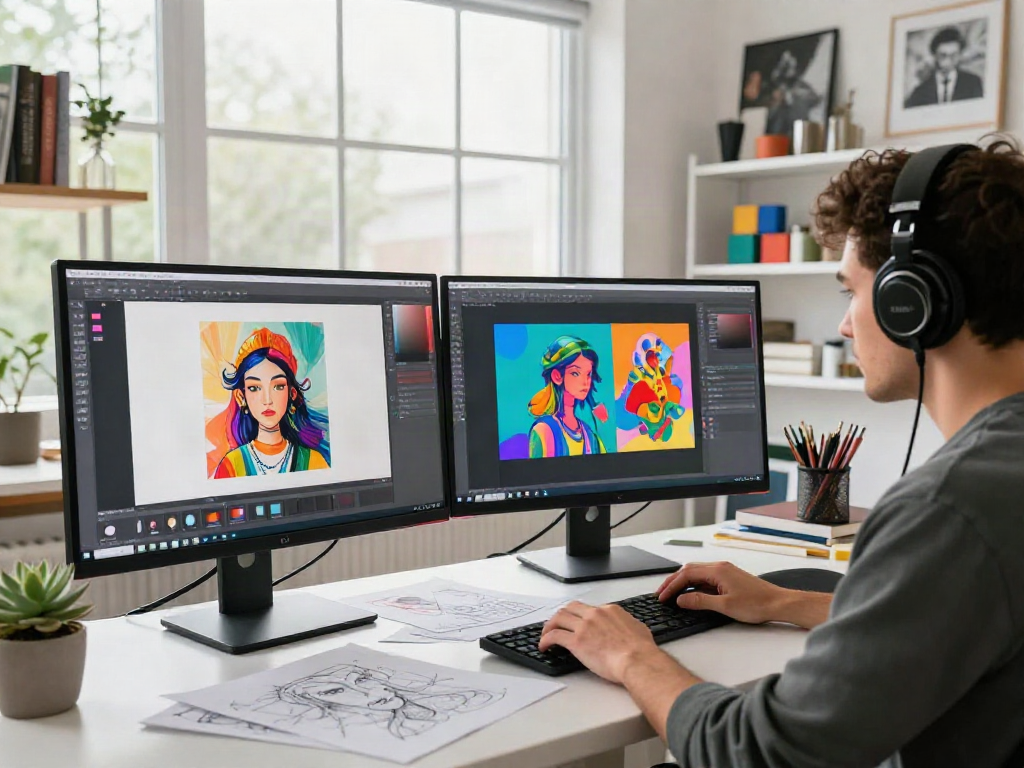
For artists, image to image technology opens up a realm of possibilities beyond traditional mediums. Through iterative transformations, artists can explore different styles, techniques, and concepts, allowing for greater experimentation without the constraints of physical materials. The ability to generate multiple variations of an artwork instantaneously encourages a fluid creative process, empowering artists to refine and perfect their visions.
Applications in Various Creative Industries
- Fashion Design: Designers are utilizing image to image techniques to create innovative patterns and textures, enhancing their collections and visual storytelling.
- Advertising: Brands leverage the technology to produce captivating visuals that resonate with target audiences, tailoring content based on consumer preferences.
- Film and Animation: In the realm of visual effects, image to image technology helps create stunning graphics and seamless transitions, elevating the viewer's experience.
- Graphic Design: Designers manipulate images to create compelling visuals that communicate messages effectively, from social media graphics to branding materials.
Case Studies of Successful Implementations
One prominent example of image to image technology in action is the fashion industry’s adoption of generative design software, which allows designers to create unique textile patterns by inputting various elements. Similarly, digital artists like Refik Anadol have utilized AI-driven image processing to create installations that interact with audience dynamics, demonstrating the profound capabilities of this technology. These case studies showcase the transformative power of image to image techniques and their broad applicability across diverse fields.
Best Practices for Image to Image Transformation
To achieve optimal results when utilizing image to image technology, it is essential to adhere to best practices. This section discusses the most effective tools and software, a step-by-step guide to techniques, and common challenges experienced by users along with strategies for overcoming them.
Tools and Software for Optimal Results
Several software applications have emerged as leaders in the image to image domain. Programs such as Adobe Photoshop incorporate advanced image processing tools, while open-source options like GIMP provide accessible alternatives for creatives. Specialized AI-driven platforms like DeepArt and RunwayML offer innovative functionalities that extend the boundaries of traditional image editing.
Step-by-Step Guide to Effective Techniques
- Define Your Vision: Start with a clear idea of what you want to achieve with your image.
- Select the Right Tool: Choose software that aligns with your technical skills and artistic goals.
- Experiment with Styles: Utilize filters and effects to explore various aesthetics before settling on a final transformation.
- Iterate and Refine: Continuously refine your images, experimenting with different techniques until satisfied with the outcome.
- Gather Feedback: Share your work with peers for constructive criticism, which can inform future transformations.
Common Challenges and Overcoming Them
Users often face challenges such as understanding software capabilities, managing expectations concerning output quality, and navigating the overwhelming amount of available tools. To overcome these hurdles, it is crucial to invest time in tutorials and practice, seek community support, and remain patient throughout the learning process.
Future Trends in Image to Image Technology
Looking forward, the landscape of image to image technology is set to evolve dramatically. This section will provide insights into predictions for advancements, emerging technologies influencing creative processes, and anticipated changes in user needs and preferences by 2026.
Predictions for Advancements by 2026
Experts predict that the integration of artificial intelligence will continue to enhance image to image technology, allowing for more complex and personalized transformations. Moreover, advancements in computational power will facilitate real-time image processing, enabling artists to see their changes instantly, which will drastically improve workflow efficiency.
Emerging Technologies Influencing Creative Processes
Technologies such as blockchain for digital rights management and advancements in cloud computing are expected to forge new paths for how artists create, share, and monetize their work. With blockchain, artists can securely track ownership and provenance, ensuring that their creations are credited appropriately.
Anticipated Changes in User Needs and Preferences
As accessibility to image to image technology grows, a more diverse user base will emerge, leading to demands for more intuitive interfaces and educational resources tailored to varying skill levels. Users will seek platforms that not only foster creativity but also cater to unique artistic identities and collaborative opportunities.
Interacting with the Community and Resources
Engaging with fellow creatives and utilizing available resources is vital for maximizing the potential of image to image technology. This section explores platforms for sharing, educational resources for continuous learning, and answers to frequently asked questions about image to image techniques.
Platforms for Sharing and Collaboration
Online communities offer vibrant spaces for artists to showcase their work and collaborate with others. Platforms like Behance and ArtStation are popular among creatives seeking feedback and inspiration. Additionally, social media channels such as Instagram and TikTok allow users to share their transformations and connect with a broader audience.
Educational Resources for Continuous Learning
To stay ahead in the ever-evolving landscape of image to image technology, artists are encouraged to engage in continuous learning. Websites like Coursera and Udemy offer online courses covering various techniques and software tools, while forums like Reddit’s r/Art and specialized subreddits provide discussion and support among peers.
FAQs on Image to Image Techniques
What are the main benefits of using image to image techniques?
Image to image techniques allow for enhanced creativity, rapid prototyping, and efficient transformations, enabling artists to express their ideas without the limitations of traditional methods.
How can beginners start using image to image technology?
Beginners can start by familiarizing themselves with accessible software options, participating in online tutorials, and engaging with communities to gain insights and tips from more experienced artists.
What are the best software options for image to image projects?
Some of the most recommended software options include Adobe Photoshop, GIMP, and specialized AI platforms like DeepArt and RunwayML, each offering unique features suited for different skill levels.
How is image to image technology impacting the art community?
This technology is democratizing art creation, allowing anyone with access to tools to experiment and innovate, thus broadening the definition and scope of what constitutes art today.
What are common misconceptions about image to image transformation?
A prevalent misconception is that image to image transformations remove the element of creativity; in reality, these techniques serve as a catalyst for creativity, allowing artists to explore new dimensions of their work.